
When personal experience becomes a company
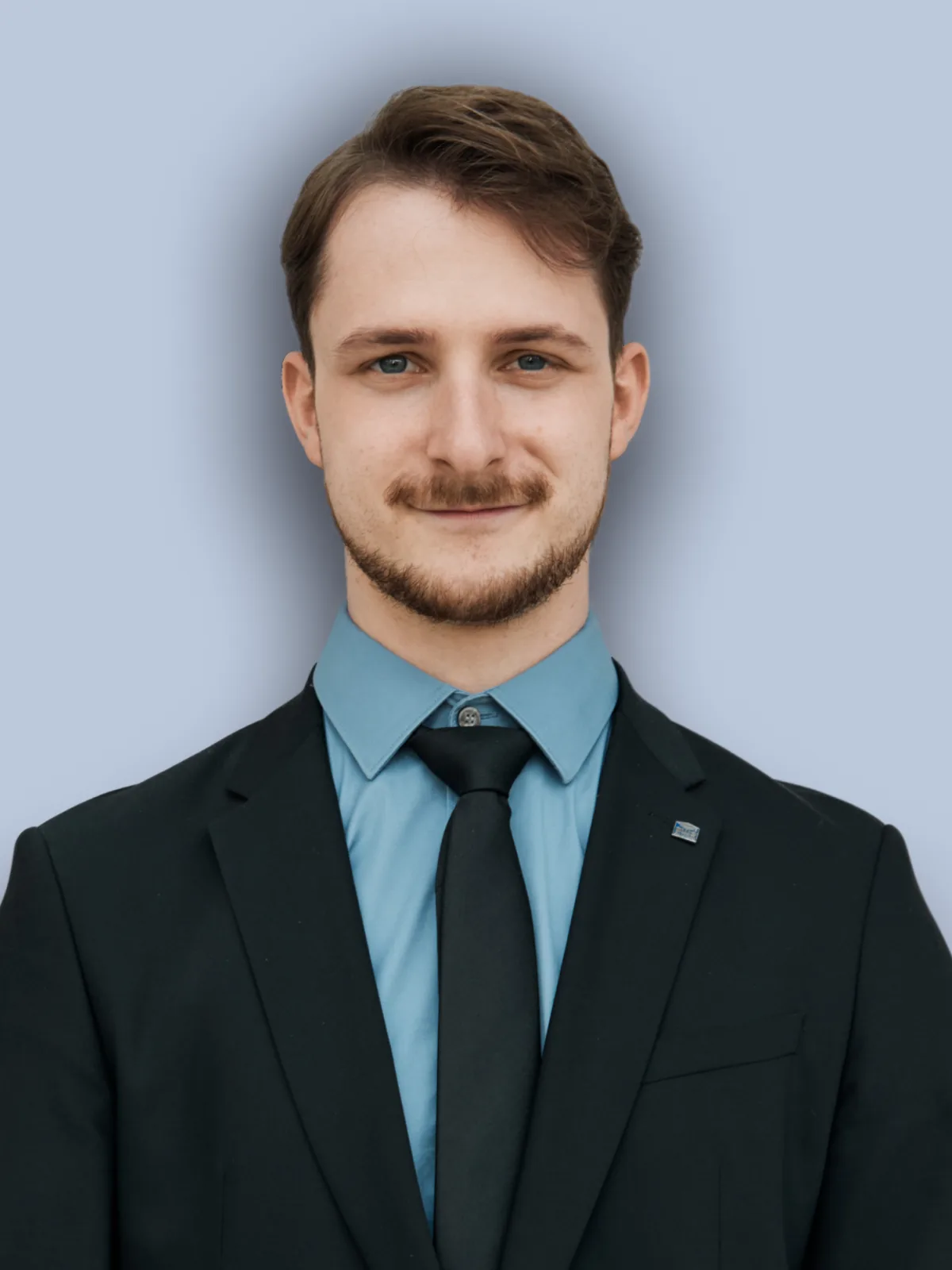
Christian Senfleben was familiar with back pain as a teenager — first through his father, later himself. Physio, rehab exercises, lots of sport: nothing stuck long term. At the German Sport University Cologne he deepened biomechanics and orthopaedics, wrote his master's thesis on a device that strengthens deep core muscles — and founded Wellenpuls GmbH in July 2024.
The motivation sounds familiar: not the next gadget hype, but something with impact he could stand behind. “At the end of your degree you have little to lose,” he says — and went to market bootstrapped. For founder risk management, that mix is typical: high intrinsic motivation, limited resources, steep learning curve.
What Wellenpuls is — and what it explicitly is not
The product is a neuromuscular electrical stimulation belt — visually similar to a lumbar support belt, with surface electrodes inside. It sends impulses to muscles that are often weakened in people with back complaints — not only in the back but also in the deep lateral abdomen (transversus abdominis). The brain signal is replaced externally: the muscle contracts without you having to voluntarily “find” the right muscle.
Important for readers and compliance: Wellenpuls is a training device for deep musculature. Christian Senfleben does not treat or heal anyone. You must not claim the belt relieves, heals or treats lower-back pain — even if study results exist. Marketing and claims must stay within intended use: muscle training, not medical promises. That is not formalism but a core business risk.
In the internal study the format was two 20-minute sessions per week over four weeks — an everyday format meant to support adherence. It does not replace sport or medical clearance where pre-existing conditions apply.
Adherence, prevention and the biopsychosocial model
The conversation often turns on a pattern everyone knows: you do exercises — then stop. The body follows “use it or lose it”. Back training rarely fails for lack of knowledge but for adherence.
Christian describes back pain as biopsychosocial: besides biomechanical factors, catastrophising, fear of movement and social dynamics play a role. More movement often correlates with less subjective distress — exact splits between “mechanical” and “psychosocial” are hard to measure. For health-tech founders: product alone is rarely enough; education and support (e.g. via a workplace health course portal) can be part of the offer — again without healing promises.
Ideally more people would train preventively than actually do. In practice the action threshold often rises only with noticeable pain — a market and communication risk every health-tech brand knows.
Electrical stimulation: safety and limits
From a risk angle many ask: what do electrical signals do to the body? Stimulation is not new — researched for decades, also in space for muscle maintenance. For healthy people without relevant pre-existing conditions it is generally considered unproblematic if exclusions are respected: epilepsy, pacemaker, pregnancy, open wounds in the electrode area. With pre-existing conditions: talk to a doctor.
That is not a substitute for MedTech compliance — but honest communication to end users and BGM clients reduces reputation and liability risk.
Founding in Germany: bureaucracy, timing and mentoring
Christian’s first risk block is administrative: legal form, possibly a holding structure, commercial register entry — “easily two months” — and a go-to-market plan that budgets that delay. Annoying, rarely the real showstopper. What matters is informing yourself early and talking to mentors who have walked the path.
For founders generally: tying market launch tightly to external milestones without buffer for authorities and partners underestimates a plannable risk. More on typical startup mistakes below.
MDR, medical device law and claims — when language gets expensive
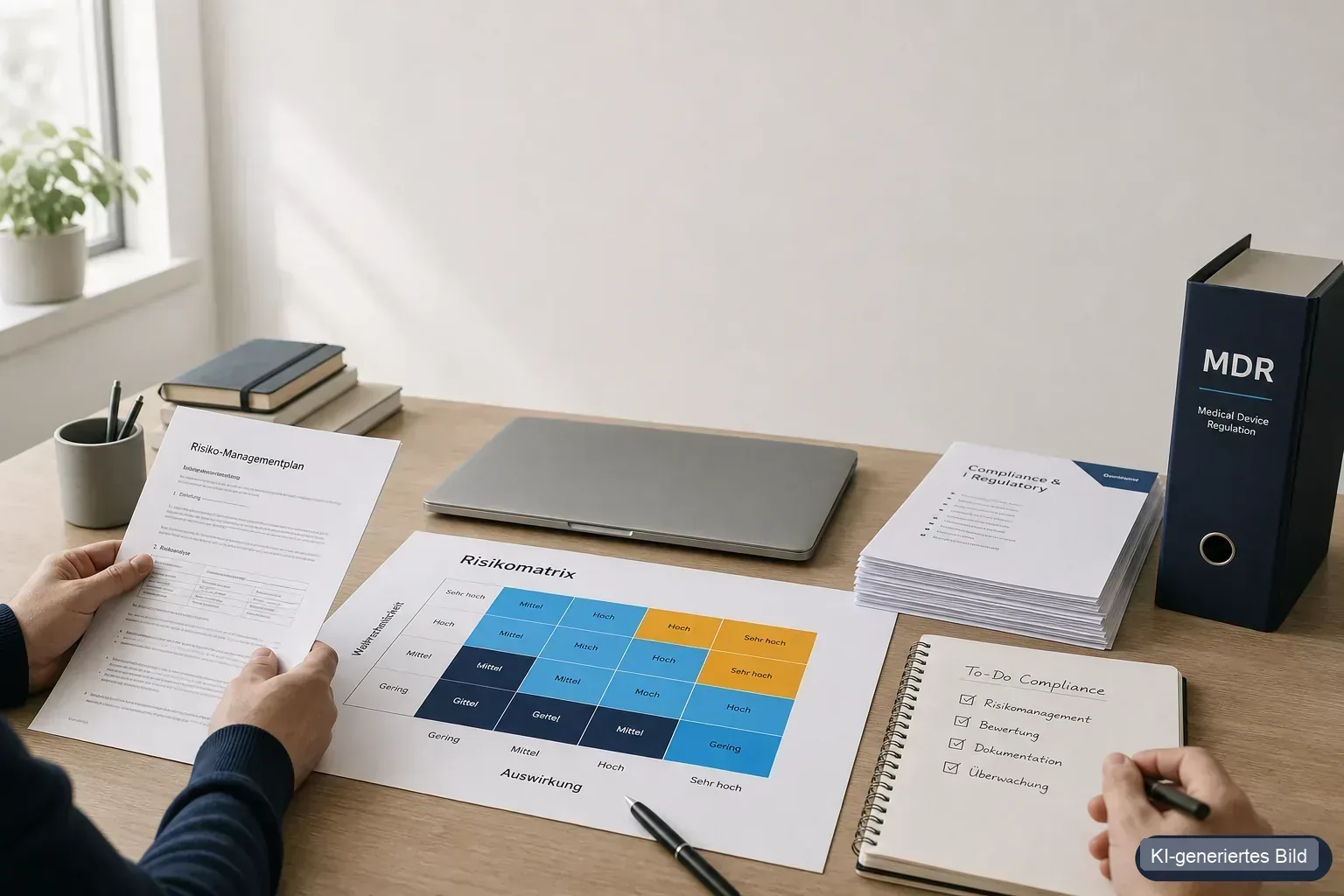
The rocky path: MDR medical device certification. Christian researched early — experts cited ~1.5 years and over €200,000, with no guarantee of reimbursement or fast uptake. The border question “medical device yes/no” and “what may I say?” belongs to Type 2 decisions: irreversible in cost, time and positioning.
Concretely: a pre-founding study with back-pain context must not be communicated as if the device heals or treats pain. Ignoring that risks warnings — and in extreme cases serious legal consequences for unauthorised medical device sales. Regulation is not a side topic but a tier-1 risk in MedTech catalogues: new requirements, questioned health effects, supply chain.
Court letters, competition and nerves as a resource
In mid-2024 a letter from Düsseldorf district court landed in the inbox: anonymous inquiry whether Wellenpuls LWS was certified as a medical device — intended use and declaration of conformity requested. Christian was “pretty nervous”. Statutes read threatening; medical device law without a lawyer is not DIY.
With a medical device lawyer: statement, documents, case closed. Who asked? Disposable email — competitor assumed. Two minutes’ effort for the sender, days of nerves and legal cost for the founder. Peter Münstermann frames it: if someone engages with you, you are often doing something right — yet it remains a risk if a compliance gap actually exists.
Till Blania recalls a parallel case: sales ban for months despite later legal clarity — revenue break in the growth phase. Founders should not become lax, but also not treat every letter as apocalypse. Seriousness, documentation, expert partners — and clean claims upfront.
Bootstrap, B2C, B2B and separate risk logic
Two years after founding, Wellenpuls is revenue-positive — not yet a multi-million company, but viable without investors. That means slower, budget-conscious, lots of testing. B2C e-commerce and B2B workplace health run in parallel; partnerships such as with Barmer show the BGM channel can be strategic “moat” — relationships, financing logic, holistic programmes — while e-commerce exposes copyable innovation and competition more occasionally.
For risk analysis: evaluate channels separately. BGM pilot vs established shop — different probabilities, different damage heights. Mixing them optimises measures on the wrong lever.
| Dimension | B2C e-commerce | BGM / health insurers |
|---|---|---|
| Typical risk | Copyable advantage, price pressure | Wrong customer assumptions, long cycles |
| Lever | Conversion, claims, support | Relationships, evidence, trust |
| Learning phase | Fast iteration | Pilot data before scale |
Type 1 decisions — and when thoroughness is mandatory
Christian cites Jeff Bezos: ~99% of decisions are everyday calls — decide fast, test, reverse if needed. ~1% can endanger the company — invest time there. Till adds from Beraterium practice: 80% is enough to start; perfectionism eats months more expensive than a wrong marketing colour.
The counterpart is the product-fixated founder — three years building, first customer conversation, problem does not exist or willingness to pay is missing. “Talk to customers as much as possible — from day one” is Christian’s most urgent advice. Ship unfinished, gather feedback, add or cut features — continuously.
Five tips for aspiring founders
- Start instead of endless reading. Books and circular thinking do not replace experience; internship in a startup or a first mini-founding during studies counts.
- See personal risk realistically. In Germany, failure on the CV is often overstated — social net, learning curve and self-employment experience weigh heavily.
- Network and mentoring. Tax, law, insurance, production, marketing — be a beginner in each area briefly, absorb, execute.
- Separate Type 1 vs Type 2. Compliance and core positioning: thorough. Landing page, price, channel test: fast.
- Accept the beginner role. Founding forces you out of comfort — treat that as learning mode, not shame.
Conclusion: founder story and risk management belong together
Christian’s path shows how personal story, science and entrepreneurship align — and where MedTech founding gets hard: not at the idea but at regulation, language, supply chain and market assumptions. Avoid healing promises, take claims seriously, listen to customers early and separate irreversible decisions — and you reduce damage in euros and reputation without losing courage.
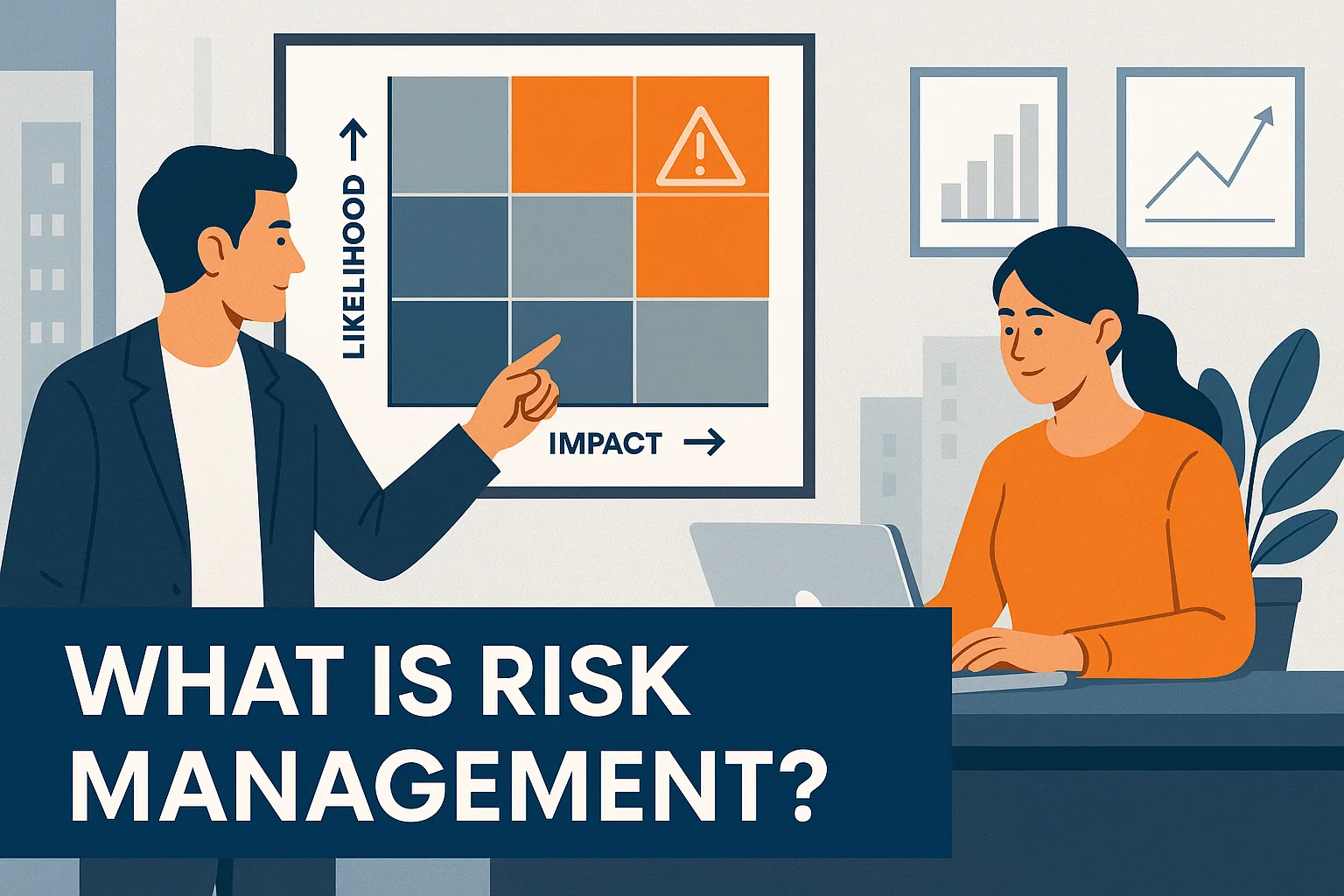
Next step: Pick one founding or product channel, name three risks (regulation, market, operations), estimate damage and probability roughly — then test one measure this week, not perfect next quarter.
Deeper method: Risk analysis for startups and solo founders and Intellectual property.
In conversation: Christian Senfleben and Wellenpuls
Extended exchange on product, founding daily life and risks — including the court letter, MDR and founder tips — in Risiko Radar (episode 22). This article stands alone; the episode is supplementary.
Christian Senfleben — founder, Wellenpuls GmbH:
- Company & product: wellenpuls.de
- LinkedIn: linkedin.com/in/christian-senfleben
- Facebook: facebook.com/wellenpuls
- Instagram: instagram.com/wellenpuls_gmbh
Note: Wellenpuls is a training device for deep musculature. No healing or therapy promises.